3D SVG Mushroom Design for Home Décor & Content Publishing
First Impressions: A Nature-Inspired 3D SVG That Feels Fresh & Playful
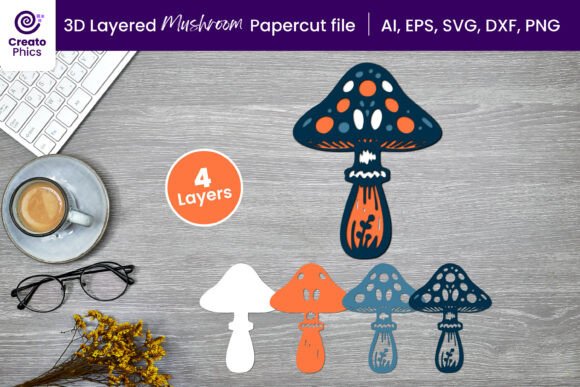
Opening the Layered Mushroom SVG file, I was immediately struck by its delicate balance of whimsy and craftsmanship. The design mimics a hand-cut paper illustration with its layered depth and organic textures, making it feel both artistic and accessible. It leans into a fairy tale aesthetic while staying grounded in clean, modern lines—perfect for bloggers and content creators aiming to evoke a sense of warmth and creativity.
This design asset feels especially well-suited for lifestyle blogs, nature-inspired content, and home décor editorial projects. It adds a touch of softness and organic charm that can elevate visual storytelling without feeling overly juvenile or out of place in more polished contexts.
Real-World Publishing Uses: From Pinterest to Printables
As a blog designer, I’m always on the lookout for graphic design assets that can do double or triple duty across content formats. The Layered Mushroom SVG delivers on that front. Here are some of the most effective publishing use cases I tested:
- Featured blog images – Works well as a background accent or central graphic in nature, gardening, or seasonal content.
- Pinterest pins – Its layered detail and organic shape make it eye-catching in a feed of more standard flat graphics.
- Newsletter headers – Especially effective for nature or home décor newsletters where a handcrafted look is desired.
- Downloadable printables – Ideal for planners, seasonal guides, or digital journals aimed at creative audiences.
- Canva templates – Easily integrated into templates for blog headers, social media stories, or content upgrades.
It also performed well as a lead magnet graphic for a free nature-themed digital guide, adding a tactile, dimensional quality that helped the resource feel more premium and intentional.
How Layered Mushroom Elevates Content Performance
Visuals are the first thing readers notice—and the Layered Mushroom SVG helps you make that critical first impression count. Here’s how it supports stronger content performance:
- Stronger visual hierarchy – Its layered structure naturally draws the eye and gives depth to flat layouts.
- Improved click-through potential – Especially on Pinterest, the unique 3D effect makes it stand out in a crowded feed.
- Consistent brand identity – When used across blog graphics, newsletters, and social media, it reinforces a cohesive visual tone.
- Increased reader trust – A well-designed, layered asset like this signals professionalism and attention to detail.
- Enhanced editorial layouts – Adds decorative interest without overwhelming text or other design elements.
In short, this is more than just a pretty SVG—it’s a tool for content marketing that helps your blog, email, and social visuals perform better in real-world publishing scenarios.
Where Layered Mushroom Shines Brightest
Based on testing across multiple platforms and formats, here are the top placements where this 3D SVG truly shines:
- Hero images – Adds depth and dimension to a blog’s top banner or landing page header.
- Article thumbnails – Especially effective when paired with nature, home, or seasonal topics.
- Editorial accents – Use as a decorative divider or sidebar graphic in long-form articles.
- Content upgrades – Great for printable worksheets or digital guides aimed at creative audiences.
- Social media previews – Works well as a story graphic or post header for platforms like Instagram and Facebook.
Where to Use Layered Mushroom With Care
While versatile, this design asset isn’t a one-size-fits-all solution. Here are some situations where you’ll want to be cautious or avoid using it altogether:
- Small mobile thumbnails – The fine details can get lost at very small sizes.
- Text-heavy blog images – May compete visually with headline text if not spaced carefully.
- Low-contrast backgrounds – The soft tones may blend in and become invisible.
- Busy layouts – Can feel cluttered if placed among too many other design elements.
- Corporate or serious professional niches – Better suited for creative or lifestyle-focused brands.
Publisher’s Notes: Testing, Formatting, and Licensing
Before publishing with this graphic design asset, I recommend the following checks to ensure optimal performance and legal compliance:
- Test on desktop and mobile screens – Confirm the layers remain visible and visually appealing across devices.
- Preview in a real blog layout – See how it interacts with your font choices, headline placement, and color scheme.
- Try it with headline text – Ensure the design doesn’t overpower or distract from your messaging.
- Check contrast and readability – Especially important when overlaying text or placing over colored backgrounds.
- Try in black and white – Helps determine if the layers still read clearly without color cues.
- Pair with different fonts – Works well with script, handwritten, and serif fonts, but can feel out of place with very modern sans-serif styles.
- Review file size – Make sure it’s optimized for fast loading, especially if used on multiple pages.
- Confirm commercial licensing – Always verify that the Layered Mushroom SVG can be used on monetized blogs, affiliate pages, or paid digital products.
Final Thoughts: A Versatile SVG for Creative Content Publishers
The Layered Mushroom SVG is more than a decorative graphic—it’s a creative design tool that helps content creators build more engaging, trustworthy, and visually compelling digital experiences. Whether you're a small business branding expert, a digital educator, or a newsletter creator looking to elevate your visuals, this asset offers a unique blend of charm and utility.
For those in the home décor niche or creating content around nature, fairy tales, or seasonal themes, this 3D SVG could become a go-to visual element in your publishing toolkit. Just remember to test it thoroughly, pair it thoughtfully with your typography, and ensure your audience sees the same magic you do in this layered, dimensional design.