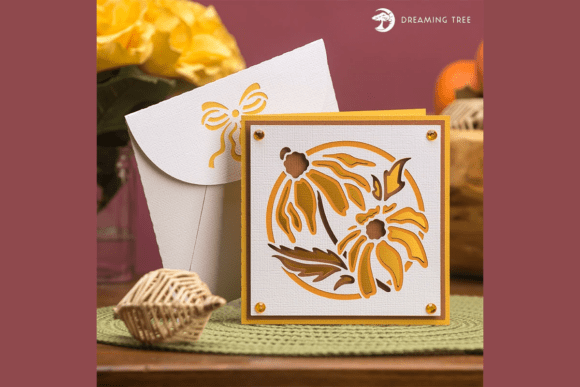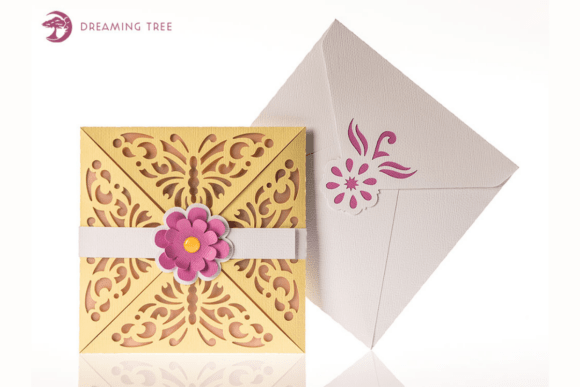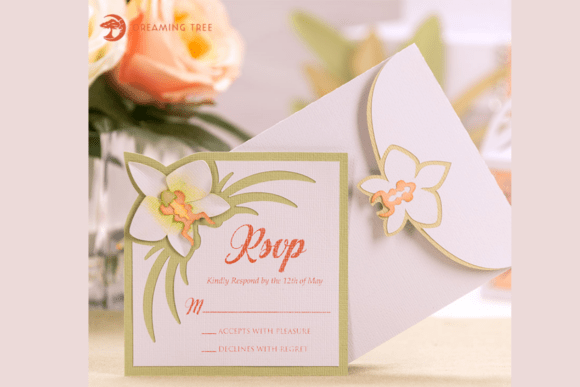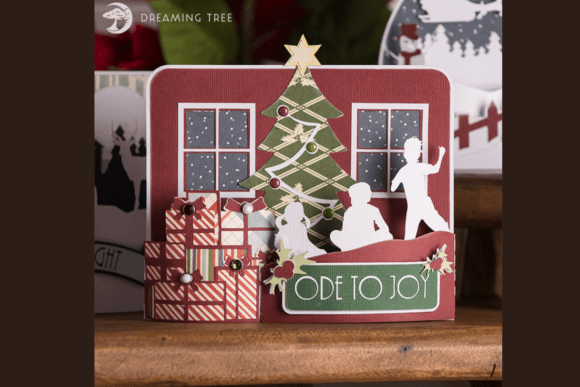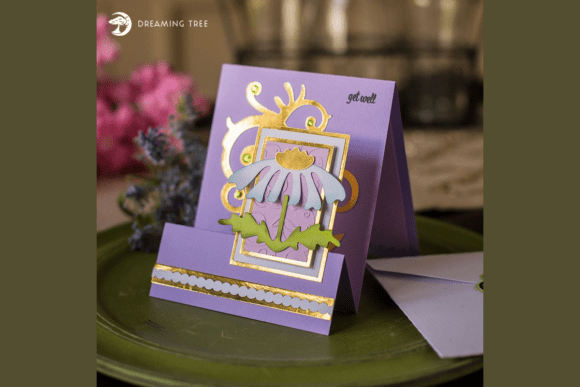
Daisy Card SVG: A Bright 3D SVG Greeting Card for Joyful Blog Graphics
First Impressions: A Cheerful, Layered Design for Positive Editorial Vibes
Bright and inviting, the Daisy Card SVG immediately caught my eye with its clean, layered floral layout and soft color scheme. As a blog designer and digital publisher, I look for design assets that bring a sense of warmth and editorial polish. This 3D SVG delivers a lifestyle-focused, feminine aesthetic that feels both modern and approachable—perfect for bloggers and content creators aiming to inject positivity into their visual storytelling.
Setting the Mood: Perfect for Lifestyle, Wellness, and Creative Niche Content
This Daisy Card SVG creates a light-hearted, joyful editorial tone. It's ideal for content niches like lifestyle, wellness, self-care, home decor, and creative entrepreneurship. The design’s floral motif and soft color palette naturally evoke feelings of renewal and happiness, making it a great visual companion for content focused on personal growth, gratitude, or seasonal themes.
Real-World Publishing Uses: From Blog Headers to Pinterest Pins
In my workflow, visual consistency and editorial quality are key. Here’s how the Daisy Card SVG fits into real content publishing scenarios:
- Blog featured images – Adds a soft, joyful accent to post headers.
- Pinterest graphics – Works beautifully as a pin overlay or background for quote cards.
- Newsletter banners – Enhances email headers with a cheerful, cohesive look.
- Lead magnet covers – Ideal for printable guides or digital downloads with a friendly tone.
- Social media visuals – Perfect for Instagram stories or Facebook posts focused on positivity.
- Canva templates – Easy to integrate into pre-built layouts for clients or personal use.
Supporting Content Performance with Visual Appeal
A strong visual hierarchy starts with design assets that guide the reader’s eye and build trust. The Daisy Card SVG helps elevate content in several key ways:
- Stronger first impression – The fresh design instantly communicates warmth and care.
- Clearer visual hierarchy – Layers and spacing help separate text from imagery in layouts.
- Better click-through potential – Visually engaging thumbnails and pins stand out in feeds.
- Consistent branding – When used across formats, it reinforces a cohesive brand identity.
- Improved reader trust – A polished visual style signals professionalism and attention to detail.
Where This Design Asset Shines
As a digital publisher, I’ve found the Daisy Card SVG performs best in the following visual contexts:
- Hero images – Especially effective for landing pages or welcome sections on niche blogs.
- Article thumbnails – Adds a decorative but not overwhelming visual cue for blog post previews.
- Pinterest pins – Its soft colors and floral design are ideal for repin-worthy graphics.
- Email headers – Helps create a warm, consistent feel across newsletter campaigns.
- Content upgrades – Perfect for downloadable worksheets or guides with a soft, approachable tone.
Where to Use It Carefully
While the Daisy Card SVG is versatile, it’s not a one-size-fits-all solution. Here are some situations where it may not be the best fit:
- Small mobile thumbnails – The layered details may get lost at very small sizes.
- Text-heavy blog images – Can compete with headline copy if not layered thoughtfully.
- Low-contrast backgrounds – May not stand out enough if placed over similarly soft tones.
- Busy editorial layouts – Could clash with other design elements if overused.
- Corporate or serious content niches – Better suited for lifestyle and creative brands than formal sectors.
Publisher’s Checklist: Testing and Optimization Tips
Before publishing with the Daisy Card SVG, I always run through a quick optimization checklist to ensure it supports content performance and branding goals:
- Preview on desktop and mobile – Make sure it scales well across screen sizes.
- Test as a thumbnail – Check visibility and clarity in small preview formats.
- Place in a real blog layout – See how it integrates with your CMS or theme design.
- Layer with headline text – Ensure readability when used with titles or captions.
- Try in black and white – See how it holds up if your brand uses monochrome themes.
- Pair with different fonts – Test compatibility with serif, sans-serif, and script typefaces.
- Check file size – Compress the SVG or PNG version for fast-loading web pages.
- Confirm commercial license – Always verify usage rights for monetized content or affiliate marketing.
Final Thoughts: A Versatile SVG for Content Creators and Small Brands
The Daisy Card SVG stands out as a well-crafted graphic design asset that brings editorial warmth and visual clarity to a variety of content formats. Whether you're creating blog graphics, digital guides, or social media visuals, this 3D SVG greeting card design adds a polished, professional touch. It’s especially useful for bloggers, online educators, and creative entrepreneurs who want to maintain a joyful, cohesive brand identity across their digital products and content marketing efforts.