Spring Flower Pot Box Card SVG: A 3D Design for Fresh Editorial Visuals
As a blog designer and digital publisher who works with visual assets daily, I was immediately drawn to the Spring Flower Pot Box Card SVG. This 3D graphic brings a vibrant, handcrafted aesthetic to digital content, making it ideal for bloggers, content creators, and small business owners looking to elevate their visual storytelling. Let’s break down how this design asset performs in real publishing scenarios.
First Impressions: Lush, Inviting, and Seasonally Inspired
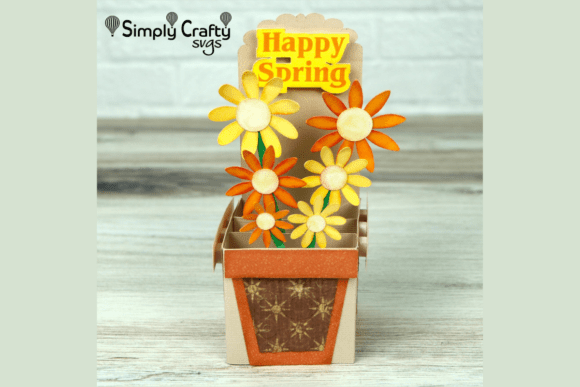
Opening the file, the Spring Flower Pot Box Card SVG immediately conveys a sense of warmth and renewal. The 3D effect gives depth and realism to the floral arrangement, making it feel like a tangible object rather than a flat graphic. The color palette leans toward soft pastels and bright florals, which naturally evokes a springtime mood. It’s a design that feels both decorative and editorial—perfect for lifestyle blogs, wellness sites, and seasonal content marketing.
This design asset works best for creators aiming to communicate joy, creativity, and approachability. It’s not overly feminine, nor is it too playful for professional use. Instead, it strikes a balance that makes it versatile for a variety of content niches including gardening, home decor, self-care, and seasonal guides.
How to Use the Spring Flower Pot Box Card SVG in Real Content Publishing
One of the biggest advantages of this SVG is its adaptability across multiple publishing formats. Here are some practical use cases I’ve tested with similar assets:
- Blog Featured Images – Use as a visual accent or background element to introduce seasonal posts.
- Pinterest Graphics – The floral motif makes it eye-catching for seasonal pins and guide thumbnails.
- Newsletter Headers – Add a touch of seasonal flair to your email campaigns or digital newsletters.
- Lead Magnet Covers – Perfect for downloadable guides or printables related to spring themes.
- Social Media Posts – Ideal for Instagram Stories or Facebook posts promoting seasonal content or offers.
- Canva Templates – Integrate into your design kits for clients or personal use to maintain a cohesive visual brand.
Because it’s a vector file, you can scale it without losing quality, making it suitable for both high-resolution printables and responsive web graphics. Whether you're building a digital guide or designing a media kit, the Spring Flower Pot Box Card SVG adapts well to both desktop and mobile formats.
Supporting Content Performance with Strong Visual Design
Visual hierarchy and reader engagement are critical for content success. This design asset helps in several key areas:
- Better Click-Through Rates – Its vibrant, dimensional look stands out in feeds and email inboxes.
- Clearer Branding – When used consistently, it reinforces a seasonal or lifestyle-focused brand identity.
- Improved Reader Trust – Professionally designed graphics like this signal quality and attention to detail.
- Stronger Visual Identity – Helps create a cohesive look across your blog, social media, and downloadable content.
- Enhanced Editorial Layouts – Works as a visual anchor in article headers or sidebars, guiding the reader’s eye naturally.
For content marketers and affiliate bloggers, this means more polished product roundups, visually compelling guides, and higher-performing Pinterest content. It’s especially effective when used alongside curated Canva templates or branded digital guides.
Where This Design Asset Shines
The Spring Flower Pot Box Card SVG excels in contexts where visual appeal and emotional resonance matter most:
- Hero Images – Use as a decorative header for seasonal landing pages or blog posts.
- Article Thumbnails – Makes your content pop in related posts sections or content upgrades.
- Newsletter Banners – Brings seasonal charm to your email marketing visuals.
- Downloadable Printables – Adds a professional touch to worksheets, planners, or guides.
- Social Media Previews – Works as a featured graphic in carousel posts or pinned content.
When to Use It Carefully
While this design asset is versatile, it’s not a one-size-fits-all solution. Here are a few situations where it may not be the best fit:
- Small Mobile Thumbnails – The detail may get lost at very small sizes.
- Text-Heavy Blog Images – Competes visually with headline text, especially in bold fonts.
- Low-Contrast Backgrounds – May blend in if not paired with strong color blocking.
- Busy Layouts – Can overwhelm already complex editorial designs.
- Corporate or Minimalist Sites – Feels out of place in very formal or clean design systems.
Publisher Notes: Test Before You Publish
Before embedding the Spring Flower Pot Box Card SVG into your live content, here are some essential checks to ensure it works visually and technically:
- Preview on Desktop and Mobile – Confirm it looks good across devices.
- Thumbnail Test – See how it appears in small image grids or related post thumbnails.
- Blog Layout Integration – Place it inside a real article layout to test visual flow.
- Headline Readability – Overlay with different text styles to ensure legibility.
- Black and White Test – Check how it holds up in grayscale or print versions.
- Font Compatibility – Pair with serif, sans-serif, script, and display fonts to test branding consistency.
- File Size Optimization – Compress SVG files if necessary to maintain fast page load times.
- Licensing Check – Confirm you have a commercial license if using on monetized sites or digital products.
Final Thoughts: A Versatile Visual for Lifestyle and Seasonal Content
For bloggers, digital educators, and creative entrepreneurs, the Spring Flower Pot Box Card SVG is more than just a pretty graphic—it’s a tool for enhancing your content’s visual appeal and editorial effectiveness. Whether you're designing a digital guide, creating a Pinterest pin, or crafting a seasonal lead magnet, this 3D SVG adds a touch of elegance and professionalism.
If your brand leans into lifestyle, seasonal storytelling, or creative content marketing, this design asset is worth integrating into your visual toolkit. Just remember to test it in context, pair it with strong typography, and ensure it aligns with your brand’s overall visual identity.